Add your promotional text...

The Real Growth Stories Are Coming from Rural India
Blog post Across diverse regions, in rural India, young entrepreneurs are setting up beekeeping units, partnering with farmers to produce honey and allied products. What’s fascinating is that these are not traditional farmers carrying on an old practice. Many of these entrepreneurs are graduates, engineers, MBAs, and even science researchers who chose to leave behind urban job opportunities for something far more meaningful — and surprisingly profitable.escription.
By Hanif Lakdawala
10/24/20253 min read
The Real Growth Stories Are Coming from Rural India
By Hanif Lakdawala
When we think of India’s entrepreneurial growth stories, our minds often leap to Bengaluru’s tech corridors, Mumbai’s financial hubs, or Gurugram’s bustling startup ecosystem. Yet, beyond the spotlight of metros and Tier-II cities, a quiet revolution is unfolding — not in glass towers but in fields, villages, and small towns.
During my recent travels across rural India — from the interiors of Maharashtra to the mustard fields of Haryana, from Barabanki in Uttar Pradesh to Malda in West Bengal, from the hills of Himachal Pradesh to the drylands of Telangana — I witnessed firsthand how educated youth, in collaboration with local farmers, are rewriting the script of rural enterprise.
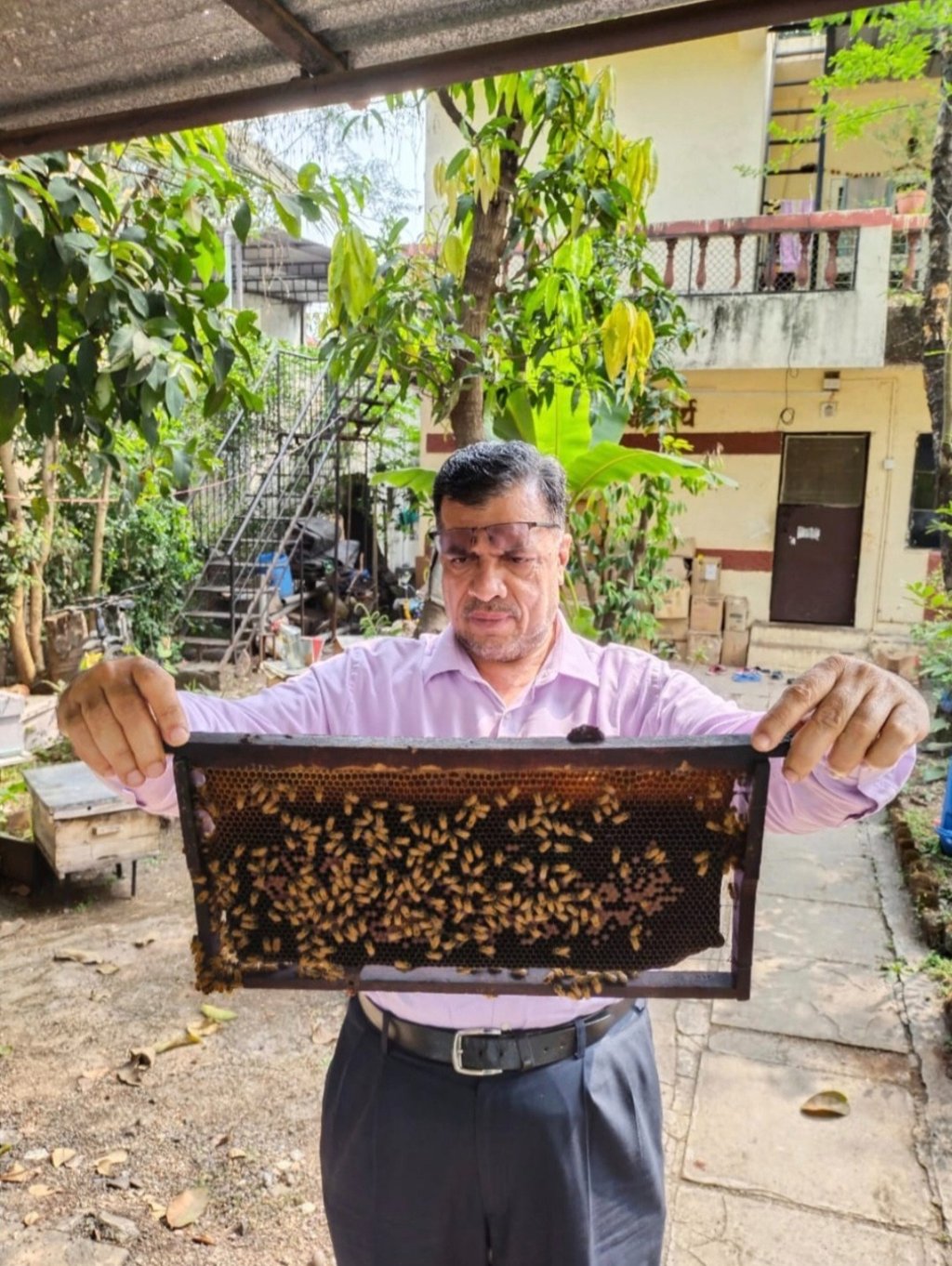
One sector stood out strikingly: Apiculture — the science and business of beekeeping.
Apiculture: A Sweet Success Story
Across these diverse regions, young entrepreneurs are setting up beekeeping units, partnering with farmers to produce honey and allied products. What’s fascinating is that these are not traditional farmers carrying on an old practice. Many of these entrepreneurs are graduates, engineers, MBAs, and even science researchers who chose to leave behind urban job opportunities for something far more meaningful — and surprisingly profitable.
Their strategy is simple yet powerful:
Local Partnerships: Farmers provide space and support for bee boxes; youth entrepreneurs manage technology, branding, and market linkages.
Focus on Organic and Raw Honey: Unlike mass-market, processed honey, these startups are focusing on unprocessed, chemical-free honey that appeals to health-conscious urban consumers.
Value-Added Products: Beyond honey, many are diversifying into beeswax candles, propolis extracts, royal jelly, and pollen supplements.
The results? Brands with little media exposure but rapidly growing customer bases. Some of these ventures are already clocking millions in turnover, driven by both domestic demand and export opportunities.
Why Youth Are Choosing Apiculture
For educated youth, apiculture offers a unique combination of:
Low Initial Investment: Beekeeping requires minimal land and infrastructure compared to crop farming.
Quick Returns: Honey production starts within months of setting up hives.
High Demand: Rising awareness of organic foods, immunity boosters, and natural sweeteners has fueled consistent growth.
Scalability: Beekeeping can start small — even with 20 boxes — and scale up to thousands, with opportunities in both B2B and retail.
Eco-Impact: Bees improve pollination, benefiting farmers’ crop yields, which strengthens partnerships.
For urban youth seeking meaningful entrepreneurship without the baggage of large landholdings, this is an attractive entry point into agro-business.
Away from the Spotlight, Ahead of the Curve
One of the most striking aspects of these ventures is that they operate away from media glare. These are not headline-grabbing startups backed by venture capital, but grassroots enterprises that focus on steady growth, community building, and long-term sustainability.
Being away from the spotlight has its advantages:
Less Competition: Niche markets like raw, unprocessed honey face fewer direct competitors compared to saturated FMCG categories.
Fewer Distractions: Entrepreneurs can focus on product quality, farmer relations, and brand-building instead of chasing constant publicity.
Stronger Trust Factor: Word-of-mouth and community networks often drive customer acquisition more effectively than flashy ad campaigns
Case Snapshots from the Heartland
Maharashtra (Satara & Beed): Youth-led honey startups are collaborating with sugarcane farmers, placing bee boxes in fields to improve pollination while producing high volumes of honey.
Uttar Pradesh (Barabanki): Graduates are experimenting with flavored honey (like tulsi and jamun), targeting e-commerce platforms and urban retail.
West Bengal (Malda): Entrepreneurs are creating integrated honey-processing units, combining apiculture with mango and litchi orchards.
Himachal Pradesh: Educated youth are capitalizing on the natural flora of the hills, marketing rare varieties like Himalayan wildflower honey.
Telangana: Beekeeping cooperatives are emerging where urban entrepreneurs manage branding while local farmers focus on hive maintenance.
Each of these stories is a reminder that India’s growth narrative is incomplete without rural enterprise.
The Bigger Picture: Rural Entrepreneurship Rising
Apiculture is just one example. Across rural India, educated youth are venturing into:
Organic farming partnerships
Contract farming in medicinal plants
Agri-tourism experiences
Food processing and branding ventures
But the underlying theme remains the same: rural India is no longer seen as a place people escape from; it is becoming the new frontier of opportunity.
Why These Stories Matter
In a time when urban job markets are saturated and corporate careers often lead to burnout, the stories of young entrepreneurs building livelihoods in rural India are refreshing and inspiring. They remind us that:
Growth is not confined to cities.
India’s villages are rich with opportunities waiting to be unlocked.
True innovation sometimes lies in rediscovering traditional practices with modern twists.
As I’ve observed in my travels, the energy, optimism, and vision of rural entrepreneurs — especially those bridging the gap between education and agriculture — represent the future of India’s economy.
Closing Thought
The more we explore India’s heartland, the more it becomes clear: the real growth stories are coming from rural India. These entrepreneurs may not be in the limelight, but they are building sustainable, profitable, and socially impactful businesses.
And perhaps that is what makes their stories even more powerful.
Insights
Explore valuable resources for aspiring entrepreneurs today.
Connect
Support
info@forbusiness.co.in
© 2025. All rights reserved.
info@forbusiness.co.in