Add your promotional text...

From Kitchen to Instagram: How social media is Fuelling the Homemade Food Revolution
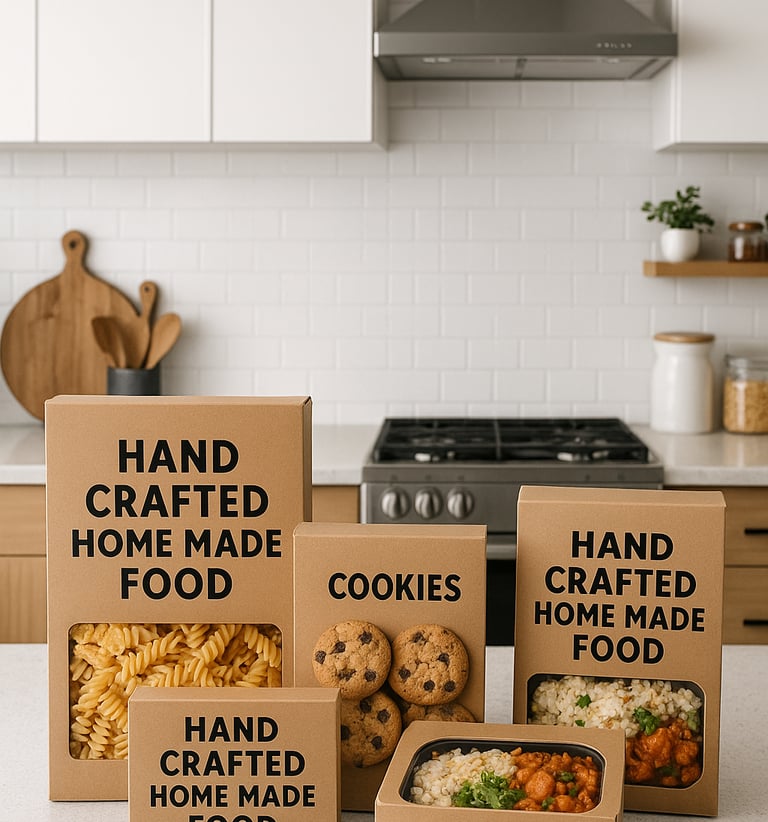
Homemade and hand-crafted food, once seen as a niche, has exploded into mainstream culture — and social media is the driving force behind this revolution.
INSIGHT
10/2/20252 min read
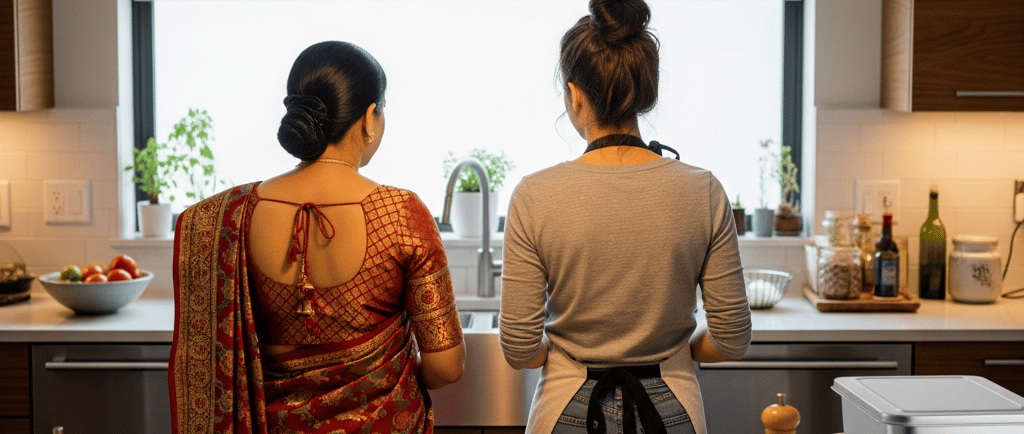
From Kitchen to Instagram
How social media is Fueling the Homemade Food Revolution
Hanif Lakdawala
Once upon a time, the success of a food business depended on a good location, word-of-mouth, and a loyal neighborhood. Today, the new “high street” for food entrepreneurs is not a bustling corner café — it’s Instagram, WhatsApp, and YouTube.
Homemade and hand-crafted food, once seen as a niche, has exploded into mainstream culture — and social media is the driving force behind this revolution.
The Rise of the Digital Tiffinwala
A recent survey by, ‘For Business’ found that 2 in 5 urban consumers prefer homemade meals over restaurant food, citing health, taste, and trust as key factors. Millennials and Gen Z are especially
In India alone, an estimated 60% of home chefs say Instagram and WhatsApp are their primary sales channels (FICCI, 2023). From tiffin services in Mumbai to sourdough bakers in Bengaluru, the ability to post a reel or share a WhatsApp catalog has given home cooks access to customers far beyond their housing society.
What used to take years of building trust locally can now be achieved in weeks — with the right video or customer testimonial going viral.
Trust + Storytelling = A Winning Recipe
Food is deeply personal. When buyers scroll through reels of “Maa ke haath ka achar” or watch a passionate baker show the kneading process, they feel a human connection that’s missing from industrial brands.
Nielsen research (2022) found that 72% of Indian consumers trust small food businesses more when they see behind-the-scenes content.
Homemade food sellers thrive because they tell authentic stories: the grandmother’s recipe, the regional spice mix, the handpicked ingredients.
Homemade food isn’t just a trend—it’s a business model. Here’s how entrepreneurs are capitalizing:
Cloud Kitchens: Low-overhead, delivery-only setups allow home chefs to scale without storefronts.
Subscription Meals: Weekly tiffin services and curated meal plans offer recurring revenue.
Workshops & Content: Cooking classes, recipe reels, and branded storytelling build loyal communities.
Franchising: Homemade brands are exploring franchise models to expand across cities.
The barriers to entry are low, but the potential for impact is high. With the right blend of culinary skill, digital savvy, and entrepreneurial mindset, anyone can turn their kitchen into a launchpad.
Micro-Influencers as Growth Partners
Unlike restaurants that depend on celebrity chefs, home-based foodpreneurs rely on micro-influencers — local bloggers, student groups, and neighborhood WhatsApp admins. A single share in a gated community group can lead to 50+ orders in a week.
Platforms like Zomato and Swiggy have also started onboarding home chefs, but the first discovery often happens on social platforms.
Social Media as the New Business Incubator
Here’s why homemade food and social media are a match made in heaven:
Low-cost marketing – reels, stories, and posts replace expensive ads.
Visual appeal – food is highly shareable content.
Direct engagement – WhatsApp catalogs and Instagram DMs = instant order pipeline.
Scalability – consistency online builds a brand, not just a business.
A Future Cooked Online
As India’s homemade food market grows 20% year-on-year, the role of social media is undeniable. The next wave of food entrepreneurs won’t be discovered at food courts or malls — they’ll be found on your Instagram explore page or recommended in your neighborhood WhatsApp group. The "Kitchen to Commerce" movement reflects a vibrant entrepreneurial ecosystem where passion for food meets innovation and opportunity.
For those dreaming of turning their recipes into revenue, the lesson is clear:
The kitchen is your production unit.
Social media is your marketplace.
Question to Readers:
Have you ever ordered from a home chef you discovered through Instagram or WhatsApp? How was your experience?
Insights
Explore valuable resources for aspiring entrepreneurs today.
Connect
Support
info@forbusiness.co.in
© 2025. All rights reserved.
info@forbusiness.co.in